
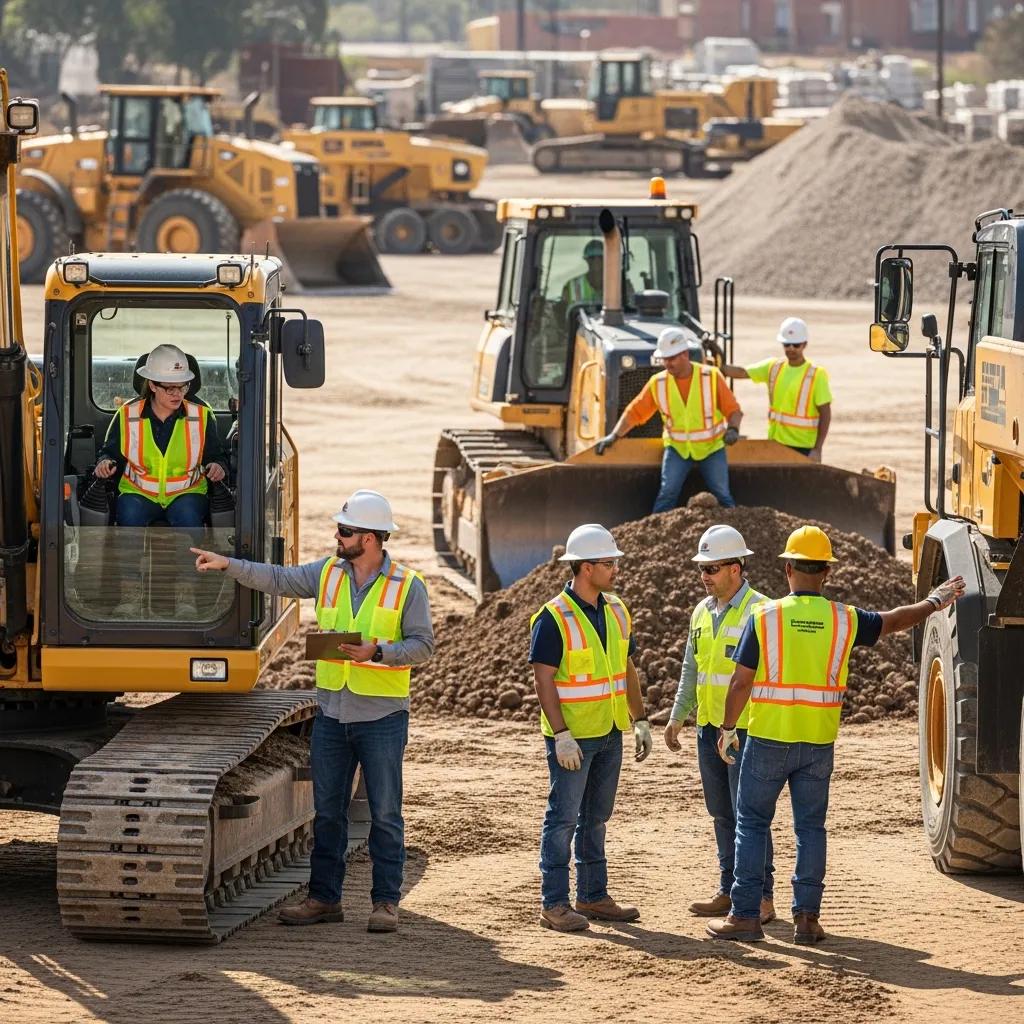

Detect Training Gaps in Totara v20 for Heavy Equipment Operators, Before Every Shift
Spotting training gaps among heavy equipment operators is critical to keeping worksites safe and compliant. A training gap is the difference between the skills an operator actually has and the skills their role requires. This guide explains practical ways to detect those gaps using Totara v20 so you can catch issues before a shift starts. You’ll learn why gaps matter, which Totara tools to use, best practices for pre-shift checks, and how tech consultants can sharpen your analysis. Addressing gaps proactively reduces risk and improves on-the-job performance.
What Are Training Gaps and Why Are They Critical for Heavy Equipment Operators?
Training gaps occur where required competencies and an employee’s current abilities don’t match. For heavy equipment operators, those mismatches can cause accidents, costly downtime, and regulatory exposure. Identifying and closing gaps keeps crews competent, equipment running, and organizations within compliance.
How Does Competency Management Relate to Training Gap Analysis?
Competency management provides the structure for gap analysis: it defines the skills, behaviours, and certifications each role requires. With a clear competency framework covering equipment operation, safety checks, and emergency response
What Are the Risks of Unaddressed Training Gaps Before Shifts?
Unresolved training gaps increase the likelihood of accidents, reduce productivity through improper equipment use, and invite legal or regulatory consequences. Assigning an operator to a shift without confirming their competencies can lead to injuries, damaged assets, and fines. That’s why pre-shift detection is not optional it’s essential risk management.
How to Use Totara v20 Features for Effective Training Gap Detection?
Totara v20 provides reporting, competency tracking, and automation to make gap detection systematic and repeatable. Used correctly, these features let you identify deficiencies, prioritize interventions, and verify readiness before shifts begin.
Which Totara v20 Reporting Tools Identify Operator Training Gaps?

Totara’s competency reports, activity completion logs, and custom report builder are the primary tools for finding gaps. They show who’s overdue on required modules, where competency assessments fall short, and which operators need refresher training. Running those reports regularly highlights patterns and directs targeted learning interventions.
How to Configure Gap Detection Reports in Totara v20?
Start by defining the competencies and certification requirements for each operator role. Then configure reports to compare user records against those requirements and schedule them to run automatically. Avoid common mistakes like outdated competency maps or infrequent reviews; update frameworks after equipment changes and review reports on a regular cadence to keep data accurate.
What Are Best Practices for Pre Shift Training Checks of Heavy Equipment Operators?
Pre-shift checks should be quick, consistent, and integrated into daily workflows. The goal is to confirm operator readiness — certifications, recent training, and familiarity with specific equipment and safety procedures before any shift assignment.
Which Checklists and Workflows Ensure Operator Competency Before Shifts?

Use concise, role-specific checklists that include certification verification, recent assessment status, and basic equipment inspections. Embed these into shift-briefing workflows and mobile sign-offs so supervisors can confirm competency in the field. Consistency builds a safety-focused culture and reduces last-minute surprises.
How to Document and Track Pre-Shift Training Compliance in Totara?
Record pre-shift checks in Totara by marking completions, uploading quick assessments, or tagging users with a “shift-ready” status. Create custom compliance reports that flag missing items before rostering decisions are made. This audit trail supports compliance and helps identify recurring training needs.
How Can Tech Consulting Services Optimize Training Gap Detection in Totara v20?
Tech consultants bring Totara expertise and implementation experience that accelerate and refine your gap-detection capabilities. They help translate operational needs into configuration, automate reporting, and tune workflows so your LMS works for the realities of the field.
What Role Do Consultants Play in Enhancing LMS Training Gap Analysis?
Consultants assist with designing competency frameworks, building targeted reports, and interpreting analytics to reveal hidden gaps. They can also recommend integrations for example, linking Totara to rostering or mobile inspection tools — so training data is timely and actionable.
How to Leverage Tech Consulting for Improved Operator Training Outcomes?
Start by defining clear training objectives and pain points, then engage consultants to propose tailored solutions: custom courses, automated reports, or improved assessment workflows. Implementing those recommendations helps ensure operators are prepared, reduces compliance risk, and improves on-site performance.
Frequently Asked Questions
What are the key indicators of training gaps in heavy equipment operators?
Watch for mismatches between required competencies and assessment results, repeated safety incidents, frequent equipment misuse, and operator reports of low confidence. Operational signs like increased downtime or noncompliance with procedures also point to gaps that need attention.
How often should training gap analyses be conducted?
Perform gap analyses regularly typically quarterly or biannually and any time you add new equipment, update safety procedures, or change regulatory requirements. Regular checks keep your competency models aligned with real-world conditions.
What role does employee feedback play in identifying training gaps?
Employee feedback is vital. Operators often know where they feel underprepared. Use surveys, shift debriefs, and one-on-one conversations to capture that insight and feed it into your training priorities alongside quantitative data.
Can technology enhance the effectiveness of training gap detection?
Yes. LMS platforms like Totara v20, combined with mobile assessment tools and analytics, make it faster to spot gaps and act on them. Technology enables real-time checks, automated reporting, and a data-driven approach to training decisions.
What are the consequences of not addressing training gaps?
Unchecked gaps increase accident risk, cause equipment damage, reduce productivity, and expose the business to fines and reputational harm. Proactive training management protects people, assets, and the bottom line.
How can organizations ensure continuous improvement in training programs?
Adopt a continuous cycle: assess performance, collect feedback, update content, and measure outcomes. Use training analytics and frontline input to keep materials relevant, and encourage ongoing learning through refresher training and hands-on assessments.
Conclusion
Detecting and closing training gaps in heavy equipment operators is essential for improving safety, operational efficiency, and compliance. With Totara v20, organizations can use robust reporting, competency tracking, and targeted learning pathways to identify skill gaps before they affect performance on site. Combined with clear training frameworks, consistent pre-shift checks, and ongoing review, these tools help create a more prepared workforce and a safer working environment. To see how this can work for your organization, book a custom demo with Markanyx and discover how we can help empower your teams with a training solution tailored to your operations.