Add a header to begin generating the table of contents
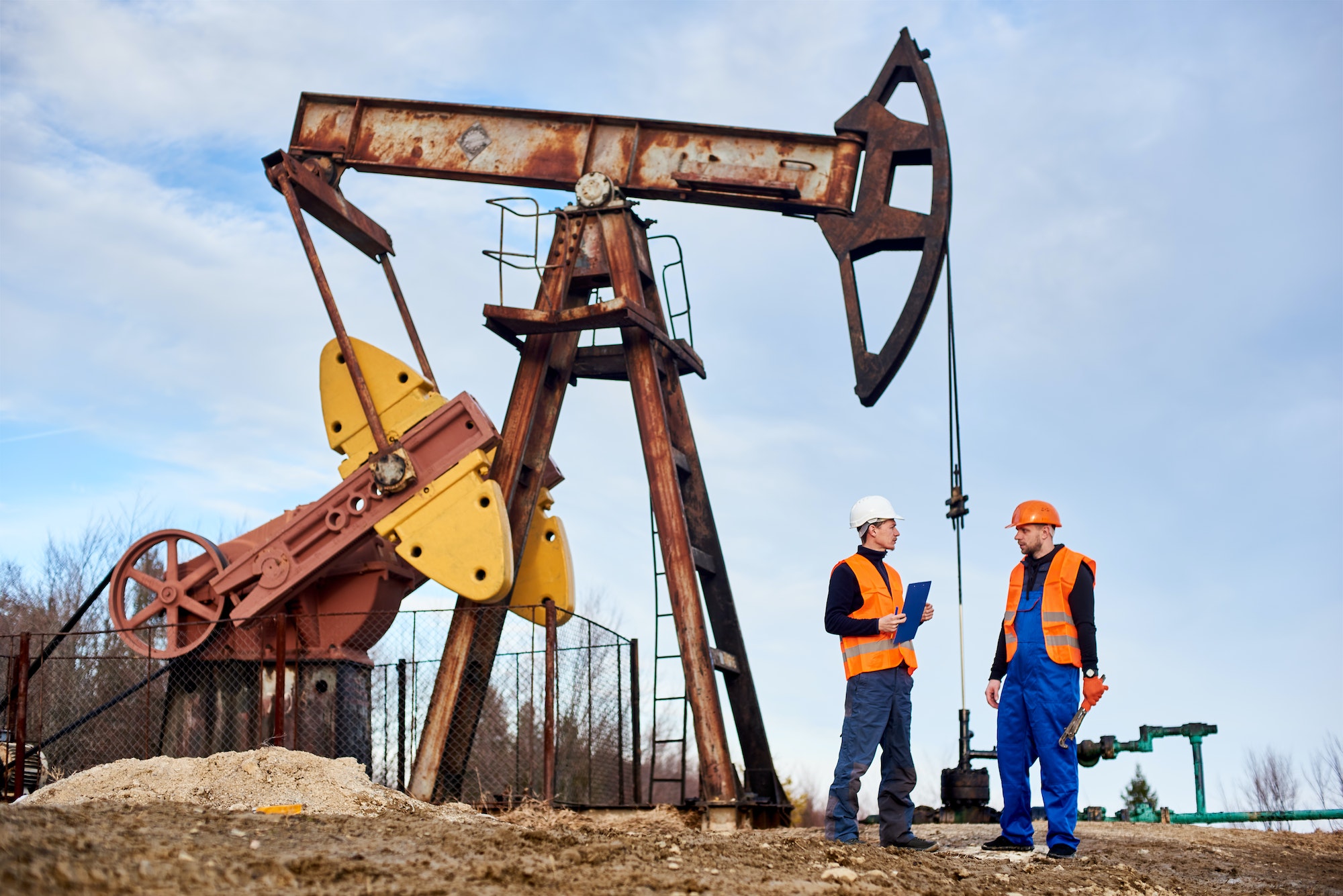
Learning management systems (LMS) have become an essential tool for companies in the oil and gas industry looking to improve safety and efficiency in their operations. An LMS is a platform that allows for the delivery, tracking, and management of online training and certification programs.
How an LMS can reduce safety incidents?
According to a study by the Aberdeen Group, companies in the oil and gas sector that use an LMS have seen a 43% reduction in safety incidents. This is because an LMS allows for the easy tracking and management of employee training and certifications, ensuring that all workers have the necessary qualifications to safely and effectively carry out their duties.
Increase efficiency and reduce costs with an LMS
In addition to improving safety, the use of an LMS can also help to increase efficiency and reduce costs. A report by the American Petroleum Institute found that companies in the oil and gas industry can save up to 50% on training costs by using an LMS (https://www.api.org/~/media/files/policy/education/e-learning/e-learning-report.pdf). This is because an LMS allows for the delivery of training materials and assessments online, eliminating the need for in-person training and travel costs.
An LMS can also be a valuable resource for employers in the oil and gas industry, as it allows them to easily track the training and certification status of their employees and ensure that they are compliant with industry standards and regulations. This can help to improve the efficiency and effectiveness of the workforce and contribute to the overall success of the company.
Key Takeaways and InsightsConclusion
Overall, the use of an LMS in the oil and gas industry is a smart investment that can help to improve safety, efficiency, and cost-effectiveness. Companies looking to implement an LMS should consider working with a provider that has experience in the oil and gas industry and can offer customizable solutions to meet the specific needs of their organization.
If you are looking to implement an LMS in your organization, contact a representative from Markanyx. Markanyx offers a range of customizable LMS solutions specifically designed for the oil and gas industry. Our team of experts can work with you to design a training and certification program that meets your organization’s specific needs, helping you achieve greater safety and efficiency. Our team is available to help with any questions or issues that may arise, and they can provide ongoing training and support to ensure that your organization is making the most of its LMS.
Share This Post
Subscribe To Our Newsletter 👋
Sign up for our newsletter to receive regular updates and insights from our team of experts
oil, safety, petroleum industry, petroleum, training and development, risk, workforce, organization, simulation, efficiency, microlearning, employee retention, onboarding, software as a service, blended learning, energy industry, learning management, management software, lms platforms, training management software, training lms, virtual reality, sustainable energy, audit, occupational safety and health administration, emergency, workflow, adaptive learning, natural gas, operational efficiency, curriculum, hazard, learning environment, risk management, mobile device, project management, asset, nonprofit organization, petroleum engineering, energy, learning management system, productivity, accessibility, skill, gamification, customer, knowledge base, learning experience platform, mobile app, interface, standard operating procedure, motivation, knowledge sharing, personalized learning, lms solutions, scalability, hydrogen
Frequently Asked Questions
What features are essential for an oil energy LMS platform?
The essential features for an oil energy LMS platform include robust compliance tracking, customizable training modules, mobile accessibility, and real-time reporting capabilities. These features ensure effective training management, enhance safety protocols, and improve overall operational efficiency in the oil and gas sector.
Looking for expert LMS guidance? Contact Markanyx to book a free consultation.
How does a learning management system increase oil and gas worker productivity?
A learning management system (LMS) significantly boosts oil and gas worker productivity by streamlining training processes and ensuring compliance. By providing accessible, on-demand training resources, workers can enhance their skills efficiently, reducing downtime and fostering a safer work environment. This targeted approach not only improves knowledge retention but also empowers employees to perform their tasks more effectively, ultimately leading to increased operational efficiency.
Looking for expert LMS guidance? Contact Markanyx to book a free consultation.
Can LMS reduce training costs for oil energy organizations?
The potential for LMS to reduce training costs for oil energy organizations is significant. By streamlining training processes, minimizing travel expenses, and enabling scalable online learning, LMS solutions can substantially lower overall training expenditures while enhancing knowledge retention and compliance. Markanyx, as a certified Totara Partner, specializes in implementing and customizing LMS solutions tailored to the oil and gas sector. Our expertise ensures that organizations can maximize their training efficiency and cost-effectiveness. Looking for expert LMS guidance? Contact Markanyx to book a free consultation.
What are the best practices for oil and gas training management systems?
The best practices for oil and gas training management systems include ensuring compliance with industry regulations, leveraging user-friendly interfaces, and utilizing data analytics for continuous improvement. Additionally, integrating mobile access and personalized learning paths enhances engagement and effectiveness. For tailored solutions, contact Markanyx to book a free consultation.
Can an LMS provide oil company employee analytics?
An LMS can indeed provide valuable employee analytics for oil companies. By leveraging data on training completion rates, assessment scores, and engagement levels, organizations can gain insights into employee performance and training effectiveness. This information is crucial for enhancing safety protocols and operational efficiency in the oil and gas sector. At Markanyx, as a certified Totara Partner, we specialize in customizing LMS solutions to meet the specific needs of your industry. Looking for expert LMS guidance? Contact Markanyx to book a free consultation.
What are the benefits of mobile learning for oil and gas workers?
The benefits of mobile learning for oil and gas workers include enhanced accessibility, real-time training updates, and improved engagement. This flexibility allows workers to access critical training materials anytime, ensuring they remain compliant and knowledgeable while on the job.
Looking for expert LMS guidance? Contact Markanyx to book a free consultation.
Can LMS facilitate onboarding process for new oil energy employees?
The onboarding process for new oil energy employees can be significantly enhanced through the use of an LMS. By providing structured training modules, compliance tracking, and easy access to essential resources, an LMS streamlines the onboarding experience, ensuring new hires are well-prepared for their roles. This not only accelerates their integration into the company but also reinforces safety protocols and operational efficiency.
Looking for expert LMS guidance? Contact Markanyx to book a free consultation.
Can an LMS integrate with oil company HR systems?
An LMS can indeed integrate with oil company HR systems. This integration allows for seamless management of employee training records, compliance tracking, and performance assessments, enhancing operational efficiency. At Markanyx, we specialize in implementing and customizing LMS solutions, including Totara, to fit the specific needs of the oil and gas industry. Our expertise ensures that your LMS works harmoniously with existing HR systems, facilitating better data management and reporting. Looking for expert LMS guidance? Contact Markanyx to book a free consultation.
What are the benefits of LMS for oil energy industry training?
The benefits of LMS for oil energy industry training are significant. Learning Management Systems enhance safety and efficiency by providing streamlined training processes, ensuring compliance, and facilitating continuous learning. They enable companies to deliver consistent training, track employee progress, and quickly adapt to regulatory changes, ultimately fostering a safer work environment.
Looking for expert LMS guidance? Contact Markanyx to book a free consultation.
What are the challenges of implementing LMS in oil energy companies?
The challenges of implementing LMS in oil energy companies include resistance to change, integration with existing systems, and ensuring compliance with industry regulations. Additionally, training employees to effectively use the system can be difficult, particularly in a sector where safety and efficiency are paramount. To overcome these challenges, it's essential to have a well-structured implementation plan and ongoing support. At Markanyx, we specialize in customizing LMS solutions, including Totara, to meet the unique needs of the oil and gas industry. Looking for expert LMS guidance? Contact Markanyx to book a free consultation.
What are the benefits of implementing a learning management system in oil and gas?
The benefits of implementing a learning management system in oil and gas include enhanced training efficiency, improved compliance with safety regulations, and streamlined management of employee development. An LMS fosters a culture of continuous learning, ensuring that personnel are well-equipped to handle industry challenges safely and effectively. By utilizing such technology, companies can significantly reduce risks and improve operational performance.
Looking for expert LMS guidance? Contact Markanyx to book a free consultation.
How does a learning management system support competency management in oil and gas?
A learning management system (LMS) supports competency management in the oil and gas industry by enabling organizations to track, assess, and develop employee skills effectively. With features such as custom training paths, compliance tracking, and performance analytics, an LMS ensures that workers meet industry standards and safety regulations. This fosters a culture of continuous improvement and operational excellence. For tailored LMS solutions, including our expertise with Totara, contact Markanyx to book a free consultation.
How does an LMS handle oil company specific certifications?
An LMS effectively manages oil company-specific certifications by offering customizable training modules that align with industry standards and regulatory requirements. It allows organizations to track employee progress, ensure compliance, and streamline certification renewals, enhancing overall safety and efficiency.
Looking for expert LMS guidance? Contact Markanyx to book a free consultation.
What is the best LMS for oil and gas companies?
The best LMS for oil and gas companies is one that meets industry-specific training and compliance needs. Markanyx Solutions specializes in implementing Totara Learn, providing tailored solutions that enhance safety, efficiency, and workforce competency. Our certified partnership with Totara ensures customized support and seamless deployment for your organization.
Looking for expert LMS guidance? Contact Markanyx to book a free consultation.
How does LMS support compliance training in oil energy industry?
Learning Management Systems (LMS) significantly enhance compliance training in the oil and gas industry by providing a structured platform for delivering, tracking, and assessing training programs. These systems ensure that employees meet regulatory requirements through automated reminders, progress tracking, and comprehensive reporting features. By centralizing training content, LMS solutions facilitate consistent knowledge transfer and enable organizations to maintain compliance with industry standards effectively.
Looking for expert LMS guidance? Contact Markanyx to book a free consultation.
What is the role of an LMS in oil company onboarding?
The role of an LMS in oil company onboarding is crucial for streamlining the training process. It facilitates efficient delivery of essential safety and compliance training, ensuring that new employees quickly acquire the necessary skills and knowledge to operate safely and effectively in the field. By leveraging an LMS, companies can enhance onboarding experiences, track progress, and ensure regulatory compliance, ultimately leading to improved safety and operational efficiency.
Looking for expert LMS guidance? Contact Markanyx to book a free consultation.
What features does an oil company LMS require?
The features an oil company LMS requires include robust compliance tracking, customizable training modules, mobile accessibility, and integration capabilities with existing systems. Additionally, it should provide reporting tools to monitor employee progress and safety training effectiveness. Markanyx, as a certified Totara Partner, excels in delivering tailored LMS solutions that meet these industry-specific needs. Our expertise in deploying and supporting Totara Learn ensures that your training processes are efficient and effective. Looking for expert LMS guidance? Contact Markanyx to book a free consultation.
What are the best practices for oil energy LMS implementation?
The best practices for oil energy LMS implementation include thorough needs assessment, user-friendly interface design, and robust content development tailored to industry-specific training requirements. Additionally, ensure ongoing support and integration with existing systems to enhance user engagement and compliance. For successful deployment, consider leveraging Markanyx’s expertise as a certified Totara Partner, allowing for customized solutions that meet your organization's unique needs. Looking for expert LMS guidance? Contact Markanyx to book a free consultation.
What are the key features of a learning management system for oil and gas?
The key features of a learning management system for oil and gas include robust compliance tracking, customizable training modules, real-time reporting, and mobile accessibility. These functionalities ensure efficient training management, enhance safety protocols, and improve operational efficiency tailored to industry needs. Looking for expert LMS guidance? Contact Markanyx to book a free consultation.
How does LMS support oil energy industry regulatory compliance?
The support of LMS in ensuring regulatory compliance within the oil energy industry is essential. LMS platforms facilitate the tracking and management of training requirements, ensuring that employees meet safety and compliance standards. By providing real-time updates, automated reporting, and access to essential training resources, LMS helps organizations stay compliant with industry regulations. This not only enhances safety but also streamlines the auditing process.
Looking for expert LMS guidance? Contact Markanyx to book a free consultation.
Can an LMS reduce oil company operational costs?
An LMS can significantly reduce operational costs for oil companies. By streamlining training processes, minimizing travel expenses, and enhancing compliance management, an LMS enables organizations to efficiently allocate resources and reduce downtime, ultimately leading to cost savings.
Looking for expert LMS guidance? Contact Markanyx to book a free consultation.
How does a learning management system improve oil and gas worker compliance?
A learning management system enhances compliance for oil and gas workers by streamlining training processes, ensuring that employees receive up-to-date safety and regulatory information. This systematic approach helps organizations track progress, assess knowledge retention, and maintain compliance with industry standards effectively.
Looking for expert LMS guidance? Contact Markanyx to book a free consultation.
What are the benefits of using an LMS for oil companies?
The benefits of using an LMS for oil companies include enhanced training efficiency, improved compliance tracking, and increased safety measures. An LMS streamlines training processes, ensuring that employees are well-prepared and informed about safety protocols, which is crucial in the oil and gas sector. Additionally, it allows for easy updates to training materials, ensuring that all staff are up-to-date with the latest industry standards.
Looking for expert LMS guidance? Contact Markanyx to book a free consultation.
How does LMS improve employee performance in oil energy companies?
The improvement of employee performance in oil energy companies through LMS is significant. Learning Management Systems enhance training efficiency, ensuring employees receive consistent, up-to-date information on safety protocols and operational procedures. This leads to better compliance, reduced errors, and increased overall productivity. By facilitating continuous learning and skill development, LMS empowers employees to perform their roles more effectively, ultimately contributing to a safer and more efficient work environment.
Looking for expert LMS guidance? Contact Markanyx to book a free consultation.
Can a learning management system be integrated with HR systems in oil and gas?
Learning management systems can indeed be integrated with HR systems in the oil and gas industry. This integration facilitates seamless management of training records, compliance tracking, and employee performance evaluations, ensuring that safety and efficiency standards are met. At Markanyx, we specialize in customizing and deploying LMS solutions, including Totara, to enhance operational processes in your organization. Looking for expert LMS guidance? Contact Markanyx to book a free consultation.
How does LMS enhance knowledge sharing in oil energy industry?
Learning Management Systems (LMS) enhance knowledge sharing in the oil and gas industry by providing a centralized platform for training resources, facilitating collaboration, and enabling real-time updates on compliance and safety protocols. This ensures that all employees have access to the latest information and best practices, fostering a culture of continuous learning and improved operational efficiency.
Looking for expert LMS guidance? Contact Markanyx to book a free consultation.
What are the challenges of implementing a learning management system in oil and gas?
The challenges of implementing a learning management system in oil and gas include resistance to change, integration with existing systems, and ensuring compliance with industry regulations. Additionally, training staff to effectively use the LMS can be a significant hurdle. Addressing these challenges requires a strategic approach and ongoing support to foster a culture of learning and safety.
Looking for expert LMS guidance? Contact Markanyx to book a free consultation.
How does an LMS support oil company compliance training?
An LMS supports oil company compliance training by providing a centralized platform for delivering, tracking, and managing training programs tailored to regulatory requirements. It ensures that employees complete necessary training, maintain certifications, and stay updated on safety protocols, thereby enhancing overall compliance and operational safety.
Looking for expert LMS guidance? Contact Markanyx to book a free consultation.
How does an LMS improve oil company employee training?
An LMS significantly enhances employee training in oil companies by providing a centralized platform for delivering, tracking, and managing training programs. It streamlines compliance with industry regulations, ensures consistent knowledge dissemination, and allows for adaptive learning paths tailored to individual employee needs. With features like real-time progress tracking and reporting, an LMS enables companies to effectively monitor training effectiveness and improve overall safety and efficiency. Looking for expert LMS guidance? Contact Markanyx to book a free consultation.
How does a learning management system reduce oil and gas operational costs?
Learning management systems (LMS) significantly reduce operational costs in the oil and gas industry by streamlining training processes and enhancing compliance. By centralizing training resources and automating administrative tasks, LMS minimizes downtime and improves workforce efficiency. This leads to reduced training expenses and better adherence to safety regulations, ultimately lowering operational costs.
Looking for expert LMS guidance? Contact Markanyx to book a free consultation.

learning management for oil and gas, learning management system for oil energy industry, lms for oil companies, LMS for oil and gas industry, safety training LMS, compliance LMS oil and gas, Totara for oil and gas, Moodle oil and gas training, workforce safety training platform, LMS for hazardous industries, training system for energy sector, HSE LMS solution, LMS for oil rig workers, eLearning for oil and gas teams, safety certification LMS, oilfield worker training platform, LMS for remote operations, LMS for environmental compliance, learning platform for oil companies, training management system for oil industry, LMS for pipeline safety training, competency management LMS oil and gas, regulatory compliance LMS Canada, oil and gas digital learning solution, emergency response training LMS, LMS for industrial workforce, Totara LMS for high-risk industries, LMS with multilingual support for energy teams, training software for upstream oil and gas, LMS for field workers in oil and gas, training tracking system oil and gas, customized LMS for energy companies, LMS for safety-critical industries, training automation oil sector, LMS with compliance reporting, risk mitigation training LMS, OSHA training LMS, LMS with audit-ready reports, SCORM-compliant LMS oil and gas, secure LMS for industrial training, LMS for oil sands operations, LMS with offline access oilfield, LMS for energy regulatory training, LMS to reduce training downtime, online learning for oil platforms, workforce enablement in energy, LMS to streamline oilfield operations, LMS with HSE course delivery, Totara LMS deployment oil and gas, training system for equipment handling, site-specific LMS deployment, competency-based training LMS, oil and gas workforce development LMS, LMS with mobile learning for field teams, lms oil and gas, lms for energy, lms safety services company, oil industry safety
oil, safety, petroleum industry, petroleum, training and development, risk, workforce, organization, simulation, efficiency, microlearning, employee retention, onboarding, software as a service, blended learning, energy industry, learning management, management software, lms platforms, training management software, training lms, virtual reality, sustainable energy, audit, occupational safety and health administration, emergency, workflow, adaptive learning, natural gas, operational efficiency, curriculum, hazard, learning environment, risk management, mobile device, project management, asset, nonprofit organization, petroleum engineering, energy, learning management system, productivity, accessibility, skill, gamification, customer, knowledge base, learning experience platform, mobile app, interface, standard operating procedure, motivation, knowledge sharing, personalized learning, lms solutions, scalability, hydrogen
Frequently Asked Questions
What features are essential for an oil energy LMS platform?
The essential features for an oil energy LMS platform include robust compliance tracking, customizable training modules, mobile accessibility, and real-time reporting capabilities. These features ensure effective training management, enhance safety protocols, and improve overall operational efficiency in the oil and gas sector.
Looking for expert LMS guidance? Contact Markanyx to book a free consultation.
How does a learning management system increase oil and gas worker productivity?
A learning management system (LMS) significantly boosts oil and gas worker productivity by streamlining training processes and ensuring compliance. By providing accessible, on-demand training resources, workers can enhance their skills efficiently, reducing downtime and fostering a safer work environment. This targeted approach not only improves knowledge retention but also empowers employees to perform their tasks more effectively, ultimately leading to increased operational efficiency.
Looking for expert LMS guidance? Contact Markanyx to book a free consultation.
Can LMS reduce training costs for oil energy organizations?
The potential for LMS to reduce training costs for oil energy organizations is significant. By streamlining training processes, minimizing travel expenses, and enabling scalable online learning, LMS solutions can substantially lower overall training expenditures while enhancing knowledge retention and compliance. Markanyx, as a certified Totara Partner, specializes in implementing and customizing LMS solutions tailored to the oil and gas sector. Our expertise ensures that organizations can maximize their training efficiency and cost-effectiveness. Looking for expert LMS guidance? Contact Markanyx to book a free consultation.
What are the best practices for oil and gas training management systems?
The best practices for oil and gas training management systems include ensuring compliance with industry regulations, leveraging user-friendly interfaces, and utilizing data analytics for continuous improvement. Additionally, integrating mobile access and personalized learning paths enhances engagement and effectiveness. For tailored solutions, contact Markanyx to book a free consultation.
Can an LMS provide oil company employee analytics?
An LMS can indeed provide valuable employee analytics for oil companies. By leveraging data on training completion rates, assessment scores, and engagement levels, organizations can gain insights into employee performance and training effectiveness. This information is crucial for enhancing safety protocols and operational efficiency in the oil and gas sector. At Markanyx, as a certified Totara Partner, we specialize in customizing LMS solutions to meet the specific needs of your industry. Looking for expert LMS guidance? Contact Markanyx to book a free consultation.
What are the benefits of mobile learning for oil and gas workers?
The benefits of mobile learning for oil and gas workers include enhanced accessibility, real-time training updates, and improved engagement. This flexibility allows workers to access critical training materials anytime, ensuring they remain compliant and knowledgeable while on the job.
Looking for expert LMS guidance? Contact Markanyx to book a free consultation.
Can LMS facilitate onboarding process for new oil energy employees?
The onboarding process for new oil energy employees can be significantly enhanced through the use of an LMS. By providing structured training modules, compliance tracking, and easy access to essential resources, an LMS streamlines the onboarding experience, ensuring new hires are well-prepared for their roles. This not only accelerates their integration into the company but also reinforces safety protocols and operational efficiency.
Looking for expert LMS guidance? Contact Markanyx to book a free consultation.
Can an LMS integrate with oil company HR systems?
An LMS can indeed integrate with oil company HR systems. This integration allows for seamless management of employee training records, compliance tracking, and performance assessments, enhancing operational efficiency. At Markanyx, we specialize in implementing and customizing LMS solutions, including Totara, to fit the specific needs of the oil and gas industry. Our expertise ensures that your LMS works harmoniously with existing HR systems, facilitating better data management and reporting. Looking for expert LMS guidance? Contact Markanyx to book a free consultation.
What are the benefits of LMS for oil energy industry training?
The benefits of LMS for oil energy industry training are significant. Learning Management Systems enhance safety and efficiency by providing streamlined training processes, ensuring compliance, and facilitating continuous learning. They enable companies to deliver consistent training, track employee progress, and quickly adapt to regulatory changes, ultimately fostering a safer work environment.
Looking for expert LMS guidance? Contact Markanyx to book a free consultation.
What are the challenges of implementing LMS in oil energy companies?
The challenges of implementing LMS in oil energy companies include resistance to change, integration with existing systems, and ensuring compliance with industry regulations. Additionally, training employees to effectively use the system can be difficult, particularly in a sector where safety and efficiency are paramount. To overcome these challenges, it's essential to have a well-structured implementation plan and ongoing support. At Markanyx, we specialize in customizing LMS solutions, including Totara, to meet the unique needs of the oil and gas industry. Looking for expert LMS guidance? Contact Markanyx to book a free consultation.
What are the benefits of implementing a learning management system in oil and gas?
The benefits of implementing a learning management system in oil and gas include enhanced training efficiency, improved compliance with safety regulations, and streamlined management of employee development. An LMS fosters a culture of continuous learning, ensuring that personnel are well-equipped to handle industry challenges safely and effectively. By utilizing such technology, companies can significantly reduce risks and improve operational performance.
Looking for expert LMS guidance? Contact Markanyx to book a free consultation.
How does a learning management system support competency management in oil and gas?
A learning management system (LMS) supports competency management in the oil and gas industry by enabling organizations to track, assess, and develop employee skills effectively. With features such as custom training paths, compliance tracking, and performance analytics, an LMS ensures that workers meet industry standards and safety regulations. This fosters a culture of continuous improvement and operational excellence. For tailored LMS solutions, including our expertise with Totara, contact Markanyx to book a free consultation.
How does an LMS handle oil company specific certifications?
An LMS effectively manages oil company-specific certifications by offering customizable training modules that align with industry standards and regulatory requirements. It allows organizations to track employee progress, ensure compliance, and streamline certification renewals, enhancing overall safety and efficiency.
Looking for expert LMS guidance? Contact Markanyx to book a free consultation.
What is the best LMS for oil and gas companies?
The best LMS for oil and gas companies is one that meets industry-specific training and compliance needs. Markanyx Solutions specializes in implementing Totara Learn, providing tailored solutions that enhance safety, efficiency, and workforce competency. Our certified partnership with Totara ensures customized support and seamless deployment for your organization.
Looking for expert LMS guidance? Contact Markanyx to book a free consultation.
How does LMS support compliance training in oil energy industry?
Learning Management Systems (LMS) significantly enhance compliance training in the oil and gas industry by providing a structured platform for delivering, tracking, and assessing training programs. These systems ensure that employees meet regulatory requirements through automated reminders, progress tracking, and comprehensive reporting features. By centralizing training content, LMS solutions facilitate consistent knowledge transfer and enable organizations to maintain compliance with industry standards effectively.
Looking for expert LMS guidance? Contact Markanyx to book a free consultation.
What is the role of an LMS in oil company onboarding?
The role of an LMS in oil company onboarding is crucial for streamlining the training process. It facilitates efficient delivery of essential safety and compliance training, ensuring that new employees quickly acquire the necessary skills and knowledge to operate safely and effectively in the field. By leveraging an LMS, companies can enhance onboarding experiences, track progress, and ensure regulatory compliance, ultimately leading to improved safety and operational efficiency.
Looking for expert LMS guidance? Contact Markanyx to book a free consultation.
What features does an oil company LMS require?
The features an oil company LMS requires include robust compliance tracking, customizable training modules, mobile accessibility, and integration capabilities with existing systems. Additionally, it should provide reporting tools to monitor employee progress and safety training effectiveness. Markanyx, as a certified Totara Partner, excels in delivering tailored LMS solutions that meet these industry-specific needs. Our expertise in deploying and supporting Totara Learn ensures that your training processes are efficient and effective. Looking for expert LMS guidance? Contact Markanyx to book a free consultation.
What are the best practices for oil energy LMS implementation?
The best practices for oil energy LMS implementation include thorough needs assessment, user-friendly interface design, and robust content development tailored to industry-specific training requirements. Additionally, ensure ongoing support and integration with existing systems to enhance user engagement and compliance. For successful deployment, consider leveraging Markanyx’s expertise as a certified Totara Partner, allowing for customized solutions that meet your organization's unique needs. Looking for expert LMS guidance? Contact Markanyx to book a free consultation.
What are the key features of a learning management system for oil and gas?
The key features of a learning management system for oil and gas include robust compliance tracking, customizable training modules, real-time reporting, and mobile accessibility. These functionalities ensure efficient training management, enhance safety protocols, and improve operational efficiency tailored to industry needs. Looking for expert LMS guidance? Contact Markanyx to book a free consultation.
How does LMS support oil energy industry regulatory compliance?
The support of LMS in ensuring regulatory compliance within the oil energy industry is essential. LMS platforms facilitate the tracking and management of training requirements, ensuring that employees meet safety and compliance standards. By providing real-time updates, automated reporting, and access to essential training resources, LMS helps organizations stay compliant with industry regulations. This not only enhances safety but also streamlines the auditing process.
Looking for expert LMS guidance? Contact Markanyx to book a free consultation.
Can an LMS reduce oil company operational costs?
An LMS can significantly reduce operational costs for oil companies. By streamlining training processes, minimizing travel expenses, and enhancing compliance management, an LMS enables organizations to efficiently allocate resources and reduce downtime, ultimately leading to cost savings.
Looking for expert LMS guidance? Contact Markanyx to book a free consultation.
How does a learning management system improve oil and gas worker compliance?
A learning management system enhances compliance for oil and gas workers by streamlining training processes, ensuring that employees receive up-to-date safety and regulatory information. This systematic approach helps organizations track progress, assess knowledge retention, and maintain compliance with industry standards effectively.
Looking for expert LMS guidance? Contact Markanyx to book a free consultation.
What are the benefits of using an LMS for oil companies?
The benefits of using an LMS for oil companies include enhanced training efficiency, improved compliance tracking, and increased safety measures. An LMS streamlines training processes, ensuring that employees are well-prepared and informed about safety protocols, which is crucial in the oil and gas sector. Additionally, it allows for easy updates to training materials, ensuring that all staff are up-to-date with the latest industry standards.
Looking for expert LMS guidance? Contact Markanyx to book a free consultation.
How does LMS improve employee performance in oil energy companies?
The improvement of employee performance in oil energy companies through LMS is significant. Learning Management Systems enhance training efficiency, ensuring employees receive consistent, up-to-date information on safety protocols and operational procedures. This leads to better compliance, reduced errors, and increased overall productivity. By facilitating continuous learning and skill development, LMS empowers employees to perform their roles more effectively, ultimately contributing to a safer and more efficient work environment.
Looking for expert LMS guidance? Contact Markanyx to book a free consultation.
Can a learning management system be integrated with HR systems in oil and gas?
Learning management systems can indeed be integrated with HR systems in the oil and gas industry. This integration facilitates seamless management of training records, compliance tracking, and employee performance evaluations, ensuring that safety and efficiency standards are met. At Markanyx, we specialize in customizing and deploying LMS solutions, including Totara, to enhance operational processes in your organization. Looking for expert LMS guidance? Contact Markanyx to book a free consultation.
How does LMS enhance knowledge sharing in oil energy industry?
Learning Management Systems (LMS) enhance knowledge sharing in the oil and gas industry by providing a centralized platform for training resources, facilitating collaboration, and enabling real-time updates on compliance and safety protocols. This ensures that all employees have access to the latest information and best practices, fostering a culture of continuous learning and improved operational efficiency.
Looking for expert LMS guidance? Contact Markanyx to book a free consultation.
What are the challenges of implementing a learning management system in oil and gas?
The challenges of implementing a learning management system in oil and gas include resistance to change, integration with existing systems, and ensuring compliance with industry regulations. Additionally, training staff to effectively use the LMS can be a significant hurdle. Addressing these challenges requires a strategic approach and ongoing support to foster a culture of learning and safety.
Looking for expert LMS guidance? Contact Markanyx to book a free consultation.
How does an LMS support oil company compliance training?
An LMS supports oil company compliance training by providing a centralized platform for delivering, tracking, and managing training programs tailored to regulatory requirements. It ensures that employees complete necessary training, maintain certifications, and stay updated on safety protocols, thereby enhancing overall compliance and operational safety.
Looking for expert LMS guidance? Contact Markanyx to book a free consultation.
How does an LMS improve oil company employee training?
An LMS significantly enhances employee training in oil companies by providing a centralized platform for delivering, tracking, and managing training programs. It streamlines compliance with industry regulations, ensures consistent knowledge dissemination, and allows for adaptive learning paths tailored to individual employee needs. With features like real-time progress tracking and reporting, an LMS enables companies to effectively monitor training effectiveness and improve overall safety and efficiency. Looking for expert LMS guidance? Contact Markanyx to book a free consultation.
How does a learning management system reduce oil and gas operational costs?
Learning management systems (LMS) significantly reduce operational costs in the oil and gas industry by streamlining training processes and enhancing compliance. By centralizing training resources and automating administrative tasks, LMS minimizes downtime and improves workforce efficiency. This leads to reduced training expenses and better adherence to safety regulations, ultimately lowering operational costs.
Looking for expert LMS guidance? Contact Markanyx to book a free consultation.
learning management for oil and gas, learning management system for oil energy industry, lms for oil companies, LMS for oil and gas industry, safety training LMS, compliance LMS oil and gas, Totara for oil and gas, Moodle oil and gas training, workforce safety training platform, LMS for hazardous industries, training system for energy sector, HSE LMS solution, LMS for oil rig workers, eLearning for oil and gas teams, safety certification LMS, oilfield worker training platform, LMS for remote operations, LMS for environmental compliance, learning platform for oil companies, training management system for oil industry, LMS for pipeline safety training, competency management LMS oil and gas, regulatory compliance LMS Canada, oil and gas digital learning solution, emergency response training LMS, LMS for industrial workforce, Totara LMS for high-risk industries, LMS with multilingual support for energy teams, training software for upstream oil and gas, LMS for field workers in oil and gas, training tracking system oil and gas, customized LMS for energy companies, LMS for safety-critical industries, training automation oil sector, LMS with compliance reporting, risk mitigation training LMS, OSHA training LMS, LMS with audit-ready reports, SCORM-compliant LMS oil and gas, secure LMS for industrial training, LMS for oil sands operations, LMS with offline access oilfield, LMS for energy regulatory training, LMS to reduce training downtime, online learning for oil platforms, workforce enablement in energy, LMS to streamline oilfield operations, LMS with HSE course delivery, Totara LMS deployment oil and gas, training system for equipment handling, site-specific LMS deployment, competency-based training LMS, oil and gas workforce development LMS, LMS with mobile learning for field teams, lms oil and gas, lms for energy, lms safety services company, oil industry safety